
How Hearing Aids Actually Work: A Clinical Breakdown
Joy of Hearing Team
Joy of Hearing Clinical Team
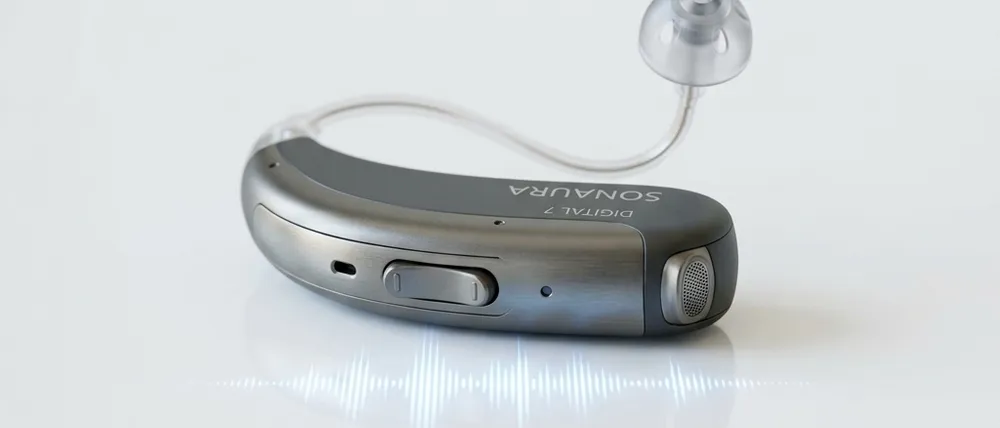
Modern hearing aids have evolved from simple sound amplifiers into advanced micro-computers that analyze your acoustic environment thousands of times per second.
1. The Microphone (Gathering Sound)
The process begins with the microphone, which picks up acoustic signals from your environment and converts them into electrical signals. Advanced hearing aids use dual-microphone arrays to distinguish between speech coming from in front of you and background noise coming from behind.
2. The Processor (The Brain)
This is where the magic happens. The microchip inside the hearing aid digitizes the electrical signal. Instead of making everything louder, the processor analyzes the sound. It separates human speech from wind noise, traffic, and background chatter. It then amplifies only the specific frequencies where you have hearing loss, exactly as mapped during your clinical audiogram.
3. The Receiver (Delivering Sound)
Once the sound is processed, cleaned, and perfectly equalized for your specific ear, the receiver (or speaker) converts it back into an acoustic signal. This custom-tailored sound is then delivered directly into your ear canal.
Real-World Testing
At Joy of Hearing, we ensure you don’t just understand the theory. We provide instant real-world trials so you can hear this advanced processing in action before you make any decisions.